


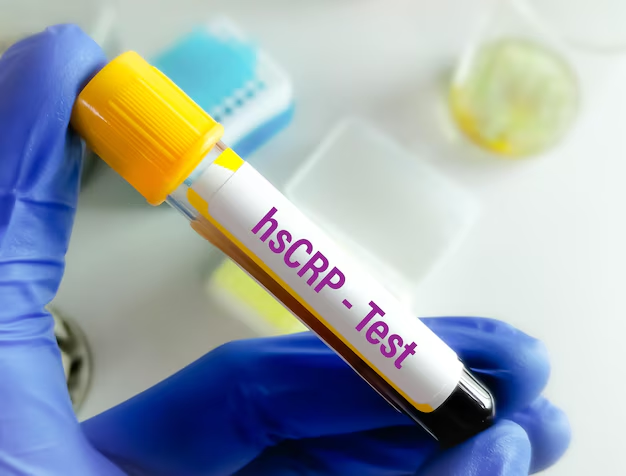

Description
HsCRP Test:
The High-sensitivity C-reactive protein (HsCRP) test measures low levels of C-reactive protein, a marker of inflammation in the body. It’s particularly useful in assessing heart disease risk and chronic inflammation.
Why It’s Done
| Health Concern | Purpose of HsCRP Test |
|---|---|
| Risk of Heart Disease | Predict future risk of heart attack or stroke |
| Chronic Low-Grade Inflammation | Detect ongoing systemic inflammation |
| Autoimmune Conditions | Help monitor diseases like RA or Lupus |
| Diabetes or Obesity | Evaluate related inflammation and cardiometabolic risk |
| Recovery After Infection or Surgery | Track inflammation and healing |
Result Interpretation
| HsCRP Level | Cardiovascular Risk |
|---|---|
| < 1.0 mg/L | Low risk |
| 1.0 – 3.0 mg/L | Average risk |
| > 3.0 mg/L | High risk of heart disease |
| > 10 mg/L | Possible acute inflammation or infection (retest recommended) |
Symptoms That May Need HsCRP Test
-
Unexplained fatigue
-
Low-grade fever
-
Chest pain or pressure
-
Family history of heart disease
-
Recent infection or inflammation
Why Choose the HsCRP Test?
-
Detects hidden inflammation that may not show symptoms
-
Helps predict heart-related events before they occur
-
Ideal for high-risk individuals (smokers, diabetics, hypertensives)
-
Assists in treatment monitoring for autoimmune/inflammatory diseases
Good to Know
-
No special preparation needed
-
Not specific to any one condition—follow-up testing may be needed
-
Often recommended along with lipid profile or cardiac risk panel
📝 Note:
Reference ranges can slightly vary based on lab standards, age, and altitude.
Always interpret values in consultation with a qualified physician.



Reviews
There are no reviews yet.