

Description
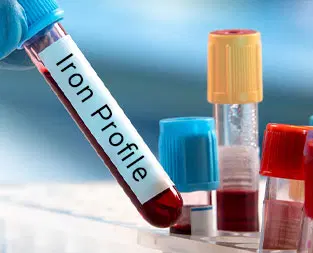
Iron Studies Test (Iron Panel)
The Iron Studies Test (or Iron Panel) measures multiple iron-related markers in your blood to assess iron levels, storage, and transport. It typically includes:
-
Serum Iron
-
Total Iron Binding Capacity (TIBC)
-
Transferrin Saturation
-
Ferritin
These parameters are vital in diagnosing anemia, iron overload, or nutritional deficiencies.
Why It’s Done
| Health Concern | Purpose of Iron Studies |
|---|---|
| Fatigue or Weakness | Detect iron-deficiency anemia |
| Pale Skin, Brittle Nails | Evaluate low iron stores |
| Frequent Infections | Assess immune impact due to iron imbalance |
| Liver Disorders | Identify iron overload (hemochromatosis) |
| Poor Growth in Children | Determine nutritional deficiencies |
| Pregnancy Monitoring | Check iron sufficiency for mother & baby health |
Result Interpretation
| Test Component | Normal Range (Approx.) | What It Indicates |
|---|---|---|
| Serum Iron | 60 – 170 µg/dL | Measures circulating iron |
| TIBC | 240 – 450 µg/dL | Total capacity of blood to bind iron |
| Transferrin Saturation | 20% – 50% | % of transferrin occupied with iron |
| Ferritin (Men) | 20 – 500 ng/mL | Indicates iron storage in the body |
| Ferritin (Women) | 20 – 200 ng/mL | Lower normal range due to menstruation |
🟥 Low iron or ferritin → Iron deficiency anemia
🟩 High ferritin → Hemochromatosis or inflammation
Symptoms That May Need Iron Studies
-
Chronic tiredness
-
Pale complexion
-
Shortness of breath
-
Frequent cold/flu
-
Irregular heartbeats
-
Hair loss or brittle hair
-
Restless leg syndrome
Why Choose Iron Studies?
-
Provides a complete picture of iron metabolism
-
Essential for diagnosing all types of anemia
-
Detects early iron overload or deficiency
-
Crucial in nutritional and chronic disease evaluation
Note:
Reference ranges may vary slightly depending on the lab, gender, age, and medical history.
Always interpret results under the supervision of a qualified healthcare provider.
Reviews
There are no reviews yet.